
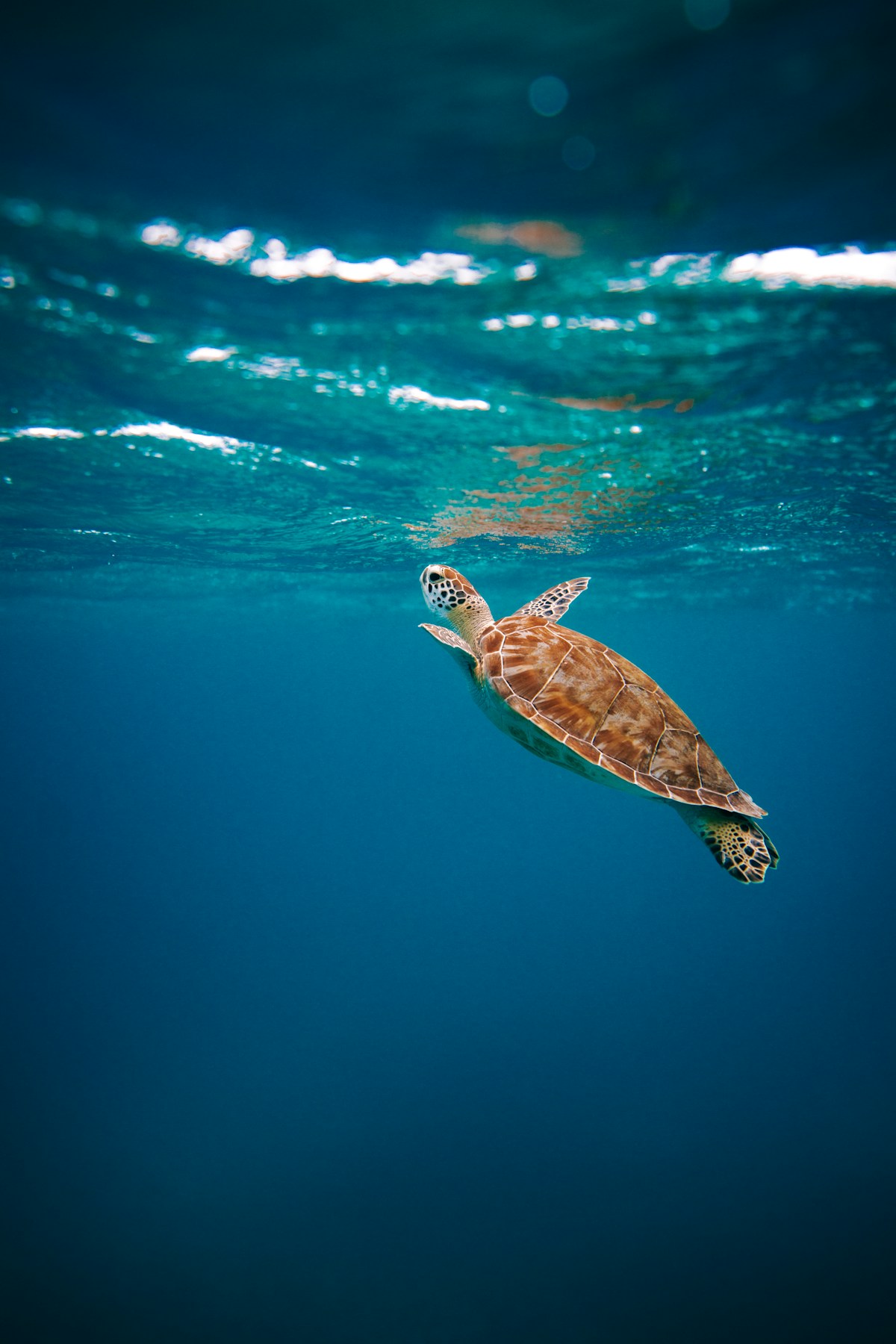
Apo Island is a 12-hectare volcanic speck off the southern coast of Negros Oriental, and it has no business being as good as it is. This tiny island — you can walk around it in under an hour — hosts one of the most successful community-managed marine sanctuaries in Southeast Asia. The result: reef walls teeming with life, and green sea turtles so abundant and unbothered that snorkelers regularly find themselves surrounded by three or four at once. No exaggeration.
I visited as a day trip from Dumaguete and wished I’d planned to stay overnight. Here’s how to do it right.
The Marine Sanctuary
Apo Island’s marine sanctuary was established in 1982, making it one of the oldest community-managed no-take zones in the Philippines. The decades of protection show. The coral coverage is dense and healthy — massive table corals, branching staghorns, and soft corals in vivid purples and yellows cover the reef slopes. Fish populations are visibly denser inside the sanctuary than outside it, a real-time demonstration of what marine protection actually achieves.
The sanctuary entrance fee is 100 pesos, and hiring a local guide/spotter costs 200-300 pesos — worth it, as they know exactly where the turtles are feeding at any given time. Snorkel gear rental is available on the island (100-150 pesos) but quality varies. Bring your own mask if you have one.
Snorkeling with Sea Turtles
The green sea turtles at Apo Island are the main draw for snorkelers, and the experience delivers. The turtles graze on seagrass in shallow water (2-5 meters), and because they’ve been protected for decades, they’re remarkably unfazed by humans. Your guide will lead you to the current feeding spots — the turtles move with the tides — and you float above them watching these ancient creatures eat breakfast.
Rules are straightforward: no touching, maintain a reasonable distance (about two meters), no flash photography, and don’t chase or block the turtles’ path. The guides enforce these rules, and they should — the turtles’ comfort with humans depends on humans behaving respectfully.
The best snorkeling is in the morning when the water is calmest and visibility peaks. Afternoon winds can chop up the surface and reduce underwater clarity.
Diving at Apo Island
For certified divers, Apo Island offers several excellent dive sites:
- Apo Island Marine Sanctuary — The protected zone itself, where coral cover is at its densest. Expect clouds of anthias, parrotfish, triggerfish, and the occasional turtle cruising past at depth.
- Chapel Point — A wall dive on the island’s western side with good soft coral and frequent sightings of sea snakes, nudibranchs, and reef sharks.
- Coconut Point — Known for strong currents that attract schooling jacks and barracuda. Best for experienced divers comfortable with drift diving.
- Rock Point West — Gently sloping reef good for all levels. Great for macro photography — look for frogfish, pipefish, and ornate ghost pipefish in the rubble zones.
Dive operators in Dauin (the mainland town opposite Apo Island) offer two-dive packages to Apo Island for approximately 3,000-4,000 pesos including boat transfer, tanks, weights, and guide. Some resorts in Dumaguete also arrange Apo diving day trips.
Staying Overnight on Apo Island
Day trips are the norm, but staying overnight lets you experience the island after the day-trippers leave — which is a different world. At sunset, the island empties out, and you’re left with maybe 20 other visitors, a handful of guesthouses, and a sky full of stars (no light pollution).
Accommodation is basic: fan rooms in community-run lodges starting at 500-800 pesos per night. Don’t expect hot water or air conditioning. Do expect friendly hosts, home-cooked Filipino meals, and the sound of waves as your alarm clock. The night snorkeling from the shore — with just a waterproof flashlight — reveals a completely different reef: hunting octopuses, sleeping parrotfish in mucus cocoons, and crabs emerging from every crevice.
Getting to Apo Island
From Dumaguete City (the gateway): take a tricycle or bus to Malatapay (about 30 minutes south). From Malatapay, public bangkas to Apo Island run in the morning (usually 7-8 AM, about 30 minutes crossing, 300 pesos round trip per person). Return boats depart Apo around 3-4 PM. If you miss the public boat, private charters cost more but can leave on your schedule.
Malatapay market tip: Wednesday is market day in Malatapay — a vibrant local wet market where fishers sell the morning catch, farmers sell produce, and livestock changes hands. If your Apo trip falls on a Wednesday, arrive early enough to walk through the market before your boat. It’s one of the most authentic market experiences in the Visayas.
Dumaguete: The Gateway City
Dumaguete deserves more than a transit stop. This university city (Silliman University, established 1901) has a walkable boulevard along the seafront, excellent cafes, and a food scene driven by a young, educated population. Highlights:
- Rizal Boulevard — The waterfront promenade, best at sunset. Street food vendors, joggers, and families create a lively atmosphere.
- Sans Rival Bistro — Famous for silvanas (frozen buttercream cookies) that people carry home in insulated boxes as pasalubong (gifts).
- Hayahay Treehouse Bar — A quirky bar on the outskirts of town with live music and a treehouselayout.
Practical Tips
- Best time to visit: November to May for calm seas and best visibility. The crossing can be rough during habagat (southwest monsoon) season.
- Getting to Dumaguete: Direct flights from Manila and Cebu to Sibulan Airport (basically in Dumaguete). Fast ferries also run from Cebu City (about 4 hours via OceanJet).
- How long: One full day for a snorkeling-focused visit. Two days if staying overnight on Apo. Add a day or two for Dumaguete and the nearby Dauin dive sites.
- Budget: Apo Island day trip costs roughly 1,000-1,500 pesos all-in (transport, fees, guide, gear rental). Dumaguete accommodation starts at 600 pesos.
- Combine with: Twin Lakes (Balinsasayao and Danao) — a volcanic twin crater lake about 45 minutes from Dumaguete, with kayaking and a pristine forest setting.
Apo Island proves that marine conservation works. When a community decides to protect its reef and enforces that decision for decades, the ocean responds with abundance. Floating above a seagrass bed with turtles grazing beneath you, in water so clear it barely feels like you’re looking through anything at all — that’s not just a travel experience, it’s evidence of what’s possible when we leave nature alone.