
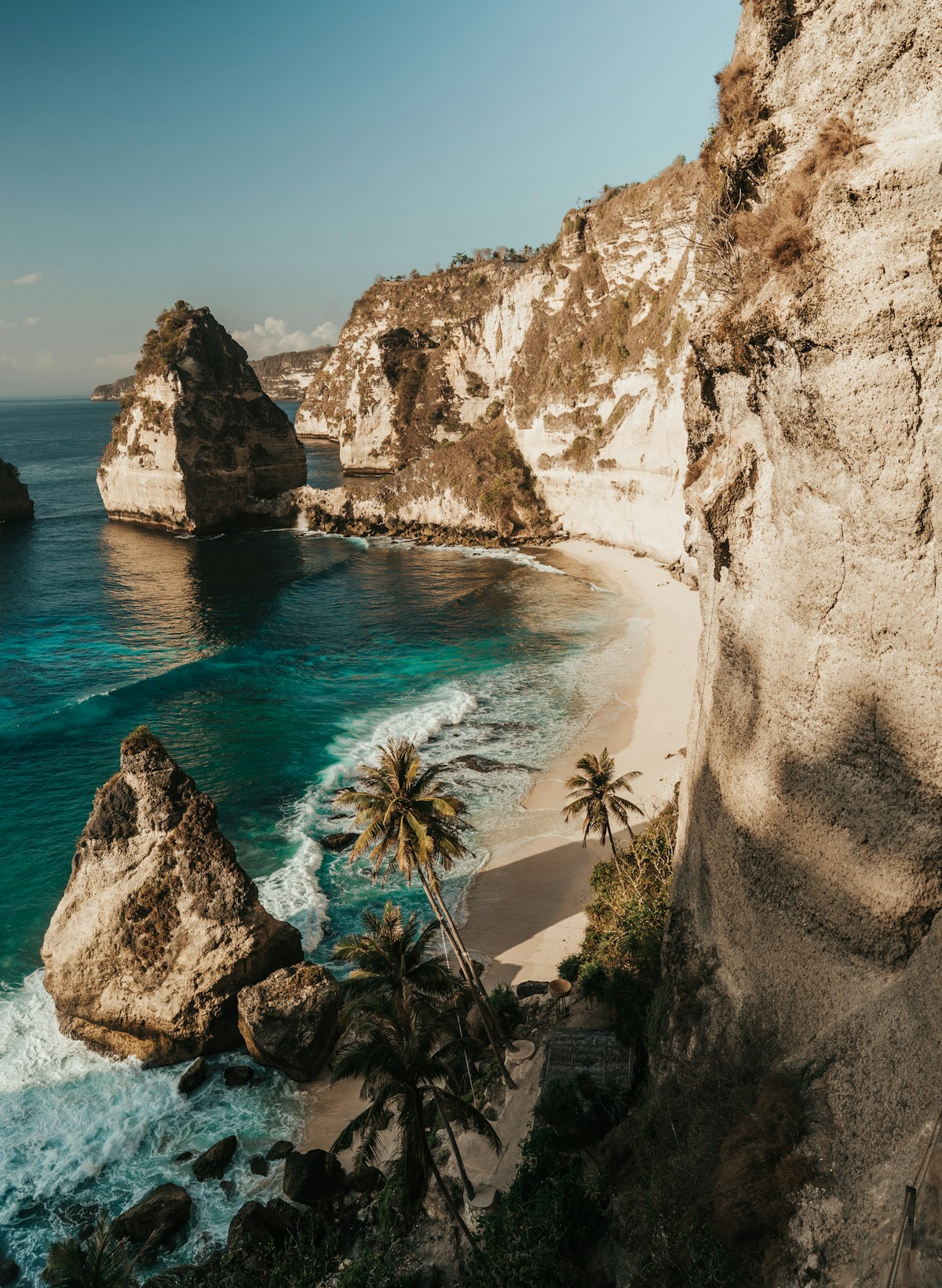
Island hopping is the defining Philippine travel experience — loading onto a bangka (outrigger boat), motoring between islands, snorkeling over reefs, eating lunch on a sandbar, and watching the sun turn the water gold on the ride back. Almost every coastal destination in the Philippines offers some version of this experience, and after dozens of island-hopping trips across the archipelago, I’ve learned what separates the great ones from the mediocre.
Here’s how to plan, book, and get the most out of island hopping wherever you end up.
How Island Hopping Works
The typical setup: a tour operator loads 10-20 people onto a bangka (traditional Filipino outrigger boat), visits three to five islands or snorkeling spots over four to six hours, includes a lunch stop (often freshly prepared on one of the islands), and returns you to your starting point by mid-afternoon. Group tours are the cheapest option — you share the boat with other travelers. Private tours give you more flexibility on timing and stops.
Group tour pricing: 800-1,500 pesos ($14-27 USD) per person depending on location. Usually includes lunch, snorkeling gear, and guide. Entrance fees to marine sanctuaries may be extra.
Private bangka: 2,500-5,000 pesos ($45-90 USD) for the whole boat (usually fits 4-8 people comfortably). More expensive per trip but comparable per person if you split costs with travel companions.
Best Island Hopping Destinations
El Nido, Palawan — The gold standard. Four labeled tours (A through D) covering limestone lagoons, hidden beaches, and snorkeling points. Tour A (Big Lagoon, Small Lagoon, Secret Lagoon) and Tour C (Helicopter Island, Secret Beach, Hidden Beach) are the highlights. Book through any hotel or tour office in town.
Coron, Palawan — Shipwreck snorkeling, Kayangan Lake, Twin Lagoons, and coral gardens. The wreck snorkeling is unique — Japanese WWII ships visible in clear, shallow water without diving. Super Ultimate Tour combines the best stops in one day.
Siargao — The classic three-island trip: Naked Island (sandbar), Daku Island (lunch), and Guyam Island (palm-fringed postcard). Shorter and simpler than Palawan tours but perfectly satisfying. Add Sugba Lagoon as a separate half-day trip.
Honda Bay, Puerto Princesa — A more accessible (and less dramatic) alternative to El Nido. Good snorkeling at Starfish Island, Luli Island, and Cowrie Island. Easier to reach and less expensive, making it a good option for families or travelers short on time.
Caramoan, Camarines Sur — Limestone islands and lagoons that rival Palawan without the crowds. Featured in multiple international Survivor seasons. Harder to reach (requires a combination of van and boat from Naga City) but worth the effort for the exclusivity.
Balabac, Palawan — The most remote and pristine island-hopping in the Philippines. Turquoise water over white sand, virtually no other tourists, and some of the most photogenic sandbar formations in the country. Requires serious planning (multi-day expedition, limited facilities), but rewarded with an experience that feels like discovering paradise.
Booking Tips
- Book one day ahead during peak season (December to May). Walk-in spots on group tours often fill up, especially for popular routes.
- Compare prices between your hotel and independent operators. Hotels sometimes add a markup; independent tour offices along main tourist strips offer competitive rates.
- Early departure is better. Tours leaving at 7-8 AM reach the first stop before the crowds that depart at 9-10 AM. The difference in experience — especially at lagoons and popular snorkeling spots — is significant.
- Ask about lunch quality. Some tours include freshly grilled seafood; others provide basic packed lunches. If the included lunch sounds underwhelming, buy extra fruit or snacks before departure.
- Negotiate for private boats by checking with the boatmen directly at the wharf, especially in less organized destinations. The boatmen often offer lower rates than tour offices because there’s no middleman.
What to Bring
- Reef-safe sunscreen — Non-negotiable. Standard sunscreen chemicals damage coral reefs. Use mineral-based (zinc oxide or titanium dioxide) sunscreen. Apply 30 minutes before getting in the water.
- Rash guard or UV shirt — Better sun protection than sunscreen alone, and no reapplication needed. Also protects against jellyfish stings.
- Dry bag — Water gets everywhere on a bangka. A 10-20 liter dry bag protects your phone, wallet, and camera. Available cheaply at any Philippine outdoor shop or tourist market.
- Snorkeling gear — Most tours provide masks and snorkels, but quality varies. If you’re a regular snorkeler, bring your own mask for better fit and visibility. Fins are rarely provided on group tours but make a huge difference — bring compact travel fins if you have them.
- Water and snacks — Pack more water than you think you need. The combination of sun, salt, and swimming dehydrates quickly. Trail mix, fruit, and crackers supplement the tour lunch.
- Waterproof phone case — A simple waterproof pouch (available for 100-200 pesos at tourist shops) lets you take underwater photos without risking your phone.
Responsible Island Hopping
The Philippines’ marine environments are under pressure from tourism, and how you island-hop matters:
- Don’t stand on coral. Even in shallow water, float rather than stand. One step can destroy coral that took decades to grow.
- Take your trash with you. Some islands have limited waste infrastructure. Carry a small bag for your garbage and dispose of it on the mainland.
- Skip the fish feeding. Some tours offer bread for feeding fish — decline. It disrupts natural feeding patterns and alters fish behavior.
- Pay marine sanctuary fees. These fees (typically 100-200 pesos) fund reef protection and ranger patrols. They’re worth every peso.
- Choose responsible operators who respect capacity limits at lagoons and snorkeling sites, rather than those who pack boats to maximize profit.
Island hopping in the Philippines is one of those travel experiences that consistently exceeds expectations. Even after the twentieth trip, the moment the bangka pulls up to a hidden lagoon or an empty sandbar, the novelty hasn’t worn off. The key is simple: start early, bring sunscreen, and don’t overthink it. The islands will take care of the rest.