
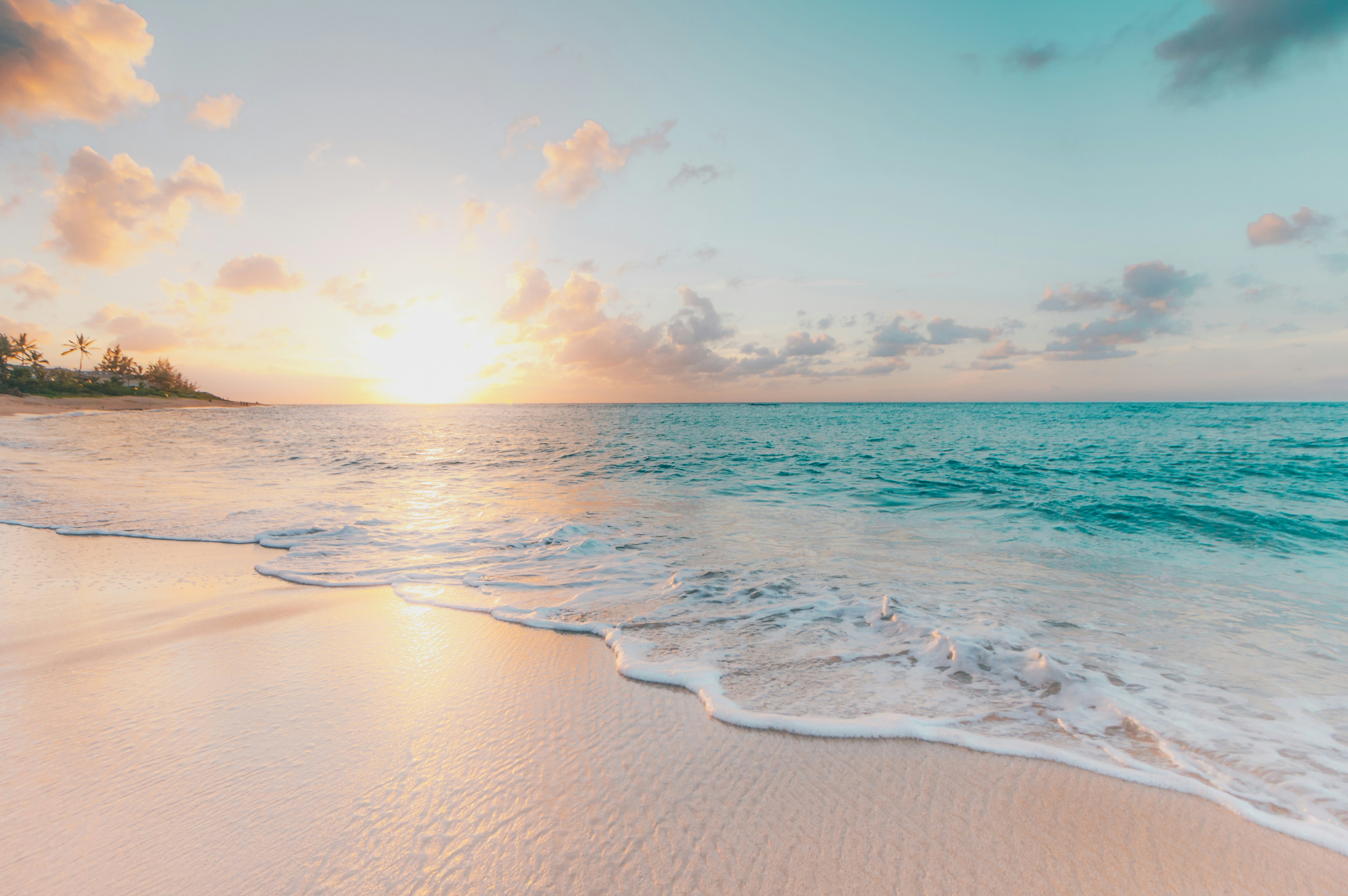
There’s a specific shade of blue that only exists in the Philippines. It’s not the deep navy of the open Pacific or the pale turquoise of the Caribbean — it’s somewhere in between, a luminous aquamarine that shifts with the clouds and makes you forget you ever saw a beach anywhere else. If you’re searching for the best beaches in the Philippines, you’re about to discover that this archipelago doesn’t just have nice beaches. It has beaches that ruin other beaches for you forever.
I’ve been chasing that particular shade of blue across these islands for years, collecting sand in my shoes and salt in my hair. Some of these Philippine beaches are world-famous postcard shots. Others are hidden stretches where you might be the only footprints on the sand all morning. Here are my ten favorites — the beaches I keep coming back to, the ones I tell friends about over San Miguel beers. Tara na (let’s go).
White Beach, Boracay: The Beach That Defined Philippine Tourism
Let’s start with the most famous. White Beach in Boracay is four kilometers of sand so fine and white it squeaks under your feet. I’m not exaggerating — walk slowly and you’ll hear it. The grain is pulverized coral, ground over millennia into a powder that stays cool even under the noon sun. The water is shallow for the first 30 or 40 meters, warm as a bath, and that impossible shade of turquoise that photographers spend hours trying to capture accurately.
After the island’s 2018 closure for environmental rehabilitation, White Beach came back cleaner than it had been in decades. The algae blooms are gone. The drainage pipes are buried. The water clarity is back to what old-timers remember from the 1990s. Sunset here is a daily communal event — hundreds of people line the shore, drinks in hand, watching the sky catch fire.
Best time to visit: November to April, during the Amihan (northeast monsoon) season. The western shore where White Beach sits is sheltered from the wind, and rain is rare.
Practical tip: Walk north toward Station 1 for the widest, least crowded section of beach. Station 2 is where the action is — restaurants, bars, and vendors — but Station 1 gives you the most sand and the most peace.
Nacpan Beach, El Nido: Four Kilometers of Quiet Gold
While most El Nido visitors spend their days on island-hopping tours, Nacpan Beach sits on the mainland about 45 minutes north of town, and it’s a completely different experience. This is a long, gently curving beach with golden sand — not white, but a warm honey color that glows at golden hour. Coconut palms lean over the shoreline at dramatic angles, and the surf has just enough push to make swimming interesting without being dangerous.
The best part about Nacpan is the space. Even during peak season, this beach never feels crowded. You can walk for twenty minutes and leave everyone behind. A few small kubo (bamboo huts) dot the tree line, selling cold drinks and grilled fish. The simplicity is the point. No resorts loom over the sand. No jet skis buzz the shallows. Just palm trees, waves, and that golden light.
Best time to visit: December to May. The road from El Nido can get muddy and difficult during the rainy season.
Practical tip: Rent a motorbike from El Nido town (about 500 pesos per day) and ride out yourself. Tricycle drivers will charge 700 to 1,000 pesos round trip with waiting time, which is fair for a group but pricey for solo travelers.
Puka Shell Beach, Boracay: The Wild Side
If White Beach is Boracay’s polished front door, Puka Shell Beach is its windswept backyard. Located on the island’s northern tip, Puka gets bigger waves, coarser sand mixed with tiny shell fragments (the puka shells that give it its name), and far fewer visitors. The water here is deeper, rougher, and a darker shade of blue — more ocean than lagoon.
I love Puka for the contrast. No fire dancers, no bar music, no selfie sticks. Just the crash of waves and the occasional rooster crowing from the trees. Vendors sell fresh coconuts hacked open with a bolo knife. The sand has a natural crunch underfoot from the shell fragments. It’s Boracay before Boracay became Boracay.
Best time to visit: November to March. The beach faces north, so it catches the Amihan winds — great for dramatic waves, less great for calm swimming.
Practical tip: Combine a Puka Shell Beach visit with lunch. Several small restaurants behind the tree line serve fresh grilled seafood. The inihaw na isda (grilled fish) with vinegar dipping sauce is simple and perfect.
Best Beaches in the Philippines: Dahican Beach, Mati
Dahican is where serious surfers go when they want waves without the Siargao crowd. This long crescent beach in Mati, Davao Oriental, faces the Pacific Ocean and picks up consistent swells from September through March. The sand is cream-colored and firm enough to run on, and the beach stretches for about seven kilometers with almost nobody on it.
What makes Dahican special beyond the surf is the skimboarding scene. Local kids here are among the best skimboarders in the country, and they’ll challenge you to a session on the shallow wash. Watching them slide across a two-inch sheet of water, launch off a wave, and land a 360 — all barefoot, all grinning — is pure joy. The pawikan (sea turtle) nesting sites along the beach are protected, and if you visit between November and February, you might see hatchlings making their run to the sea.
Best time to visit: March to June for calm seas and swimming. September to March for surf.
Practical tip: Mati is about three hours by bus from Davao City. Stay in one of the homestays along the beach — they’re basic but friendly, and you’ll be steps from the water.
Saud Beach, Pagudpud: The Boracay of the North
Pagudpud sits at the very top of Luzon, in Ilocos Norte, and Saud Beach is its showpiece. The sand is white and fine, the water is clear and calm, and the whole scene is framed by low green hills on either side. Locals call it the “Boracay of the North,” and the comparison isn’t unfair — except Saud has about one-tenth of the visitors and none of the nightlife.
The beach has a gentle slope that makes it safe for kids and non-swimmers. The water stays shallow for a long way out, warming in the sun to almost bath temperature by afternoon. Behind the beach, small resorts and guesthouses offer clean rooms for 1,500 to 3,000 pesos a night. It’s family-friendly, quiet, and genuinely relaxing in a way that more popular beaches have forgotten how to be.
Best time to visit: November to May. Pagudpud is in the typhoon belt, so the wet season (June to October) can bring serious storms.
Practical tip: Combine your Pagudpud trip with the Bangui Wind Farm (the row of massive wind turbines along the coast) and the Kapurpurawan Rock Formation — both are within easy driving distance and worth the detour.
Alona Beach, Panglao: Bohol’s Gateway Beach
Alona Beach on Panglao Island is where most Bohol visitors end up, and it earns its popularity. The beach is compact — only about 1.5 kilometers long — but it packs in excellent snorkeling right off the shore, a lively restaurant scene, and proximity to some of the best dive sites in the Visayas. The house reef drops off about 50 meters from shore, and even with a basic mask and snorkel, you’ll see clownfish, parrotfish, sea stars, and the occasional sea turtle gliding by.
The sand is white but a bit coarse compared to Boracay. What Alona lacks in powder-fine sand it makes up for in atmosphere and access. Dive shops line the beach, offering trips to Balicasag Island — a marine sanctuary where the wall dives are legendary — and Cabilao Island. At night, beachfront restaurants light up with tiki torches, grilled prawns sizzle on open flames, and the air smells like charcoal and garlic.
Best time to visit: March to June. Visibility for diving and snorkeling is best during these months.
Practical tip: The beach can feel crowded during midday. Arrive early morning for the best snorkeling — the water is calmest, and the fish are most active. By 10 AM, boat traffic picks up and the visibility drops slightly.
Pristine Beach, Caramoan: The Survivor Beach
The Caramoan Peninsula in Camarines Sur gained international fame as a filming location for multiple seasons of the reality show Survivor. Pristine Beach — its actual name, not a description, though it’s both — sits on one of the limestone islands off the coast. The sand is blinding white, the water is glass-clear, and the surrounding rock formations create a natural amphitheater of stone and sea.
Getting to Caramoan takes effort. From Naga City, it’s a two-hour drive to Sabang Port, then a boat ride through open water to the island beaches. This remoteness is exactly why they stay pristine. No resorts, no infrastructure, no crowds. You’ll likely share the beach with your boatman and maybe one other group. The silence, broken only by waves lapping against limestone, is the luxury here.
Best time to visit: March to May, when seas are calmest for the boat crossing.
Practical tip: Arrange your island-hopping tour through a registered operator in Caramoan town. Bring your own food and water — there are no stores on the islands. Reef-safe sunscreen is strongly encouraged.
Long Beach, San Vicente, Palawan: The Philippines’ Longest White Beach
At 14.7 kilometers, Long Beach in San Vicente is the longest white sand beach in the Philippines — and almost nobody has heard of it. While El Nido and Puerto Princesa get the crowds, San Vicente sits quietly between them on Palawan’s western coast, offering an absurd stretch of unbroken white sand that you can walk for hours without seeing another soul.
The beach faces the South China Sea, and the sunsets are outrageous — the sky goes from gold to pink to violet in the span of twenty minutes, reflected in the wet sand left by the receding tide. Development is coming (a new airport opened recently), but for now, Long Beach feels like what Boracay might have looked like fifty years ago. Small fishing boats line the shore. Coconut trees provide the only shade. The loudest sound is the wind.
Best time to visit: November to May. San Vicente’s new airport has limited commercial flights; check schedules with local carriers.
Practical tip: Accommodation options are growing but still limited. Book ahead, especially during holidays. A few boutique resorts have opened along the beach, but budget travelers can find homestays in San Vicente town.
Daku Island, Siargao: The Island-Hopping Star
Daku means “big” in the local dialect, and it’s the largest of the three islands on Siargao’s classic island-hopping route. But “big” is relative — you can walk around the whole thing in about twenty minutes. The beach is a ring of cream-colored sand surrounding a core of coconut palms, and the water around it is shallow, warm, and ridiculously clear.
What sets Daku apart is the vibe. Local families live on the island, and they’ve set up a small economy around the daily tourist boats. You can order grilled fish, squid, and rice cooked right on the beach. Kids play in the shallows. Hammocks hang between palms. There’s no Wi-Fi, no electricity most of the day, and no reason to be anywhere else. Sitting under a palm tree with a plate of charcoal-grilled pusit (squid) and a cold Coke, watching the turquoise water shimmer — that’s as good as life gets.
Best time to visit: March to October, when seas are calm enough for comfortable boat crossings.
Practical tip: The standard island-hopping tour from General Luna covers Naked Island, Daku Island, and Guyam Island for about 1,500 pesos per person. Tell your boatman you want to spend the most time on Daku — most tours rush through, but this is where you should linger.
Pink Beach, Zamboanga: A Beach in Technicolor
Yes, the sand is actually pink. Not hot pink, but a soft blush — the result of crushed red organ pipe coral mixing with white sand and shell fragments. Pink Beach sits on Great Santa Cruz Island, a short boat ride from Zamboanga City in Mindanao. The color is most visible when the sand is wet, and the contrast against the teal-green water is stunning and slightly surreal.
Zamboanga doesn’t get the tourist traffic of the Visayas or Luzon, partly because of outdated safety perceptions. The reality in 2026 is that Zamboanga City is a vibrant, welcoming place, and Great Santa Cruz Island is patrolled and maintained by the local government and military. The island also has a lagoon with a small mangrove forest that you can explore by paddle boat.
Best time to visit: March to May, when the weather is driest and the sea is calmest.
Practical tip: You need a permit from the Zamboanga City Tourism Office to visit Great Santa Cruz Island. Get there early in the morning — they issue a limited number of permits daily, and the office opens at 8 AM. The boat ride takes about 20 minutes from the city wharf.
Practical Travel Tips for Philippine Beach Trips
A few things I wish someone had told me before my first beach trip in the Philippines.
- Reef-safe sunscreen: Many marine protected areas now discourage or ban chemical sunscreens that damage coral. Bring reef-safe, mineral-based sunscreen or wear a rash guard. Your skin and the reef will both thank you.
- Cash is king: Most beach destinations outside Boracay don’t have reliable ATMs. Withdraw cash in the nearest city before heading to remote beaches. BDO and BPI ATMs are the most widely available.
- Island-hopping etiquette: Don’t touch coral, don’t feed fish, don’t take shells. Bring a dry bag for your phone and valuables — bangka boats splash, and capsizing in rough weather, while rare, does happen.
- Accommodation range: Beach stays range from 500-peso fan rooms in family-run guesthouses to 15,000-peso luxury resorts. The sweet spot for comfort and value is usually 2,000 to 4,000 pesos per night.
- Timing your arrival: If you’re visiting a popular beach like White Beach or Alona Beach, early morning (before 8 AM) and late afternoon (after 4 PM) give you the best light, the fewest people, and the coolest temperatures.
- Water safety: Most Philippine beaches don’t have lifeguards. Swim within your ability, watch for currents (especially on Pacific-facing beaches), and never swim alone in unfamiliar waters.
Find Your Perfect Philippine Beach
The best beaches in the Philippines aren’t ranked on a list — they’re matched to a mood. Want world-class facilities and sunset cocktails? Head to White Beach. Craving solitude on sand that stretches to the vanishing point? Long Beach in San Vicente is waiting. Looking for a beach that doubles as an underwater aquarium? Alona Beach delivers.
With thousands of islands and more coastline than most countries dream of, the Philippines has a beach for every version of yourself. The adventurous one. The tired one. The romantic one. The one who just wants to read a book with their toes in warm sand and a cold mango shake in hand.
Which Philippine beach has stolen your heart? Share your favorites in the comments, and check out our [link: Palawan travel guide] and [link: best islands in the Philippines] for more trip inspiration. Maligayang paglalakbay — happy travels!
References
- Department of Tourism Philippines
- Lonely Planet: Philippines
- UNESCO World Heritage Centre
- Wikitravel: Philippines