
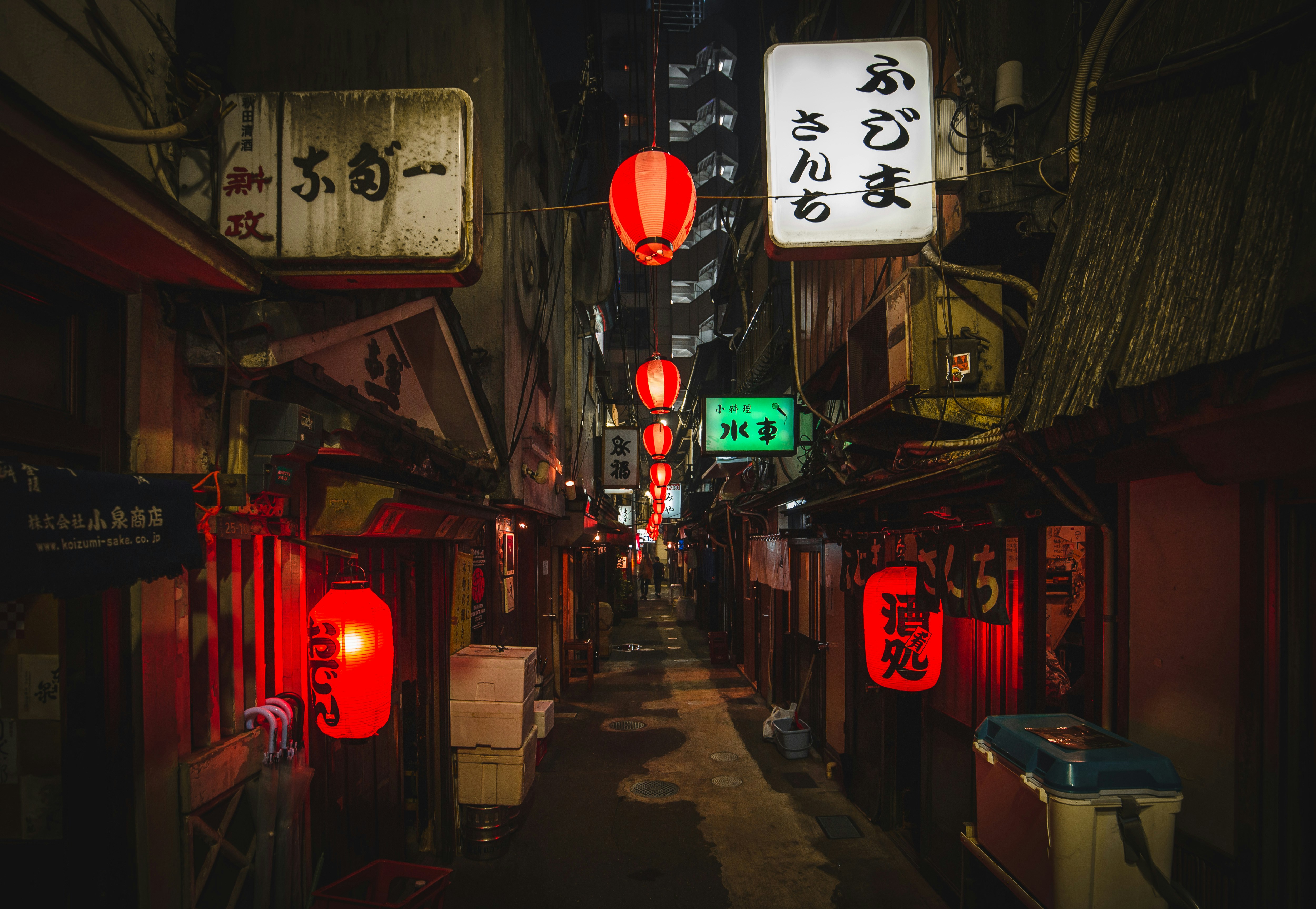
The Philippines isn’t only beaches and mountains — though it has plenty of both. The best cities Philippines has to offer are vibrant, complex, and wildly different from one another. Each one carries its own history, its own food culture, its own rhythm. And if you skip them in favor of another island-hopping itinerary, you’ll miss out on some of the richest experiences this country has to offer.
I’ve walked the streets of these cities at all hours — through morning markets where vendors shout prices over piles of still-glistening fish, through afternoon heat so thick the pavement shimmers, through evenings when entire neighborhoods come alive with music, grilled meat smoke, and the particular energy that Filipino cities generate after dark. Here are ten that deserve your time.
Manila: The Chaotic Heart of the Best Cities Philippines Has to Offer
Let’s get this out of the way: Manila is not easy. It’s loud, it’s congested, and the traffic can test even the most patient traveler. But beneath the chaos, there’s a city with layers of history and culture that reward anyone willing to look past the surface.
Start in Intramuros, the old walled city built by the Spanish in the 16th century. Fort Santiago sits at its northern edge, overlooking the Pasig River — the same river where Jose Rizal, the national hero, was imprisoned before his execution. The stone walls still hold a particular coolness, even in the midday heat, and the smell of old stone mixes with the sweet scent of sampaguita flowers sold by vendors at the gates.
Cross over to Binondo, the world’s oldest Chinatown, for some of the best street food in the country. Machang (sticky rice wrapped in lotus leaves), freshly fried siopao, and hand-pulled noodles from hole-in-the-wall shops that have been feeding Manila for generations. The National Museum complex — free admission — houses masterworks by Juan Luna and Felix Resurreccion Hidalgo alongside natural history exhibits that rival institutions with ten times the budget.
Best time to visit: January to April, before the summer heat and monsoon rains peak. Practical tip: Use the LRT/MRT rail system during rush hours instead of taxis or rideshares. It’s crowded but faster, and you’ll save yourself hours stuck in traffic on EDSA.
Cebu City
Cebu calls itself the “Queen City of the South,” and it has the history to back up the title. Magellan planted a cross here in 1521, and the Basilica del Santo Nino — the oldest Roman Catholic parish in the Philippines — still stands in the city center, its candle-lit interior fragrant with melted wax and incense. The Sinulog Festival every January transforms the city into a week-long celebration of dance, drums, and devotion that draws millions.
But modern Cebu is equally compelling. The IT Park district buzzes with restaurants, co-working spaces, and a nightlife scene that keeps going until the small hours. The city’s lechon (whole roasted pig) is legendary — the skin cracks like glass, shattering into salty, fatty shards that melt on your tongue. Ask any Cebuano and they’ll tell you their lechon is the best in the country. They’re not wrong.
Best time to visit: January for Sinulog, or November to May for generally dry weather. Practical tip: Use Cebu as a base for day trips to Kawasan Falls, Oslob (whale shark watching — controversial but popular), and the sardine run in Moalboal. [link: Cebu travel guide]
Davao City
Davao is the kind of city that changes people’s assumptions about Mindanao. Clean, orderly, and surrounded by natural beauty, it consistently ranks as one of the safest cities in the Philippines. The durian fruit is king here — the smell hits you before you see the spiky fruits piled high at stalls along Magsaysay Avenue. It’s pungent, yes, but the creamy, custard-like flesh beneath the thorny skin is masarap (delicious) once you commit.
The Philippine Eagle Center on the outskirts of the city is home to several of these critically endangered raptors. Watching a Philippine eagle up close — with its massive wingspan and piercing blue-gray eyes — is humbling. Mount Apo looms in the background, a constant reminder of the wilderness that presses right up against the city’s edges.
Best time to visit: March to October, avoiding the wettest months. Practical tip: Try pomelo from Davao — the best in the Philippines. The large, sweet varieties sold at roadside stalls are nothing like the dry, bitter ones you might have tried elsewhere.
Iloilo City
Iloilo has been having a quiet moment. While other cities chase modernity at all costs, Iloilo has invested in preserving its heritage buildings — elegant structures from the American colonial period with capiz shell windows and wide wooden balconies. The Calle Real heritage district in the Jaro area is a walk through early 20th-century architecture that’s been restored with genuine care.
The food scene is what really sets Iloilo apart. La Paz batchoy — a rich noodle soup made with pork organs, bone marrow, and crushed chicharon — was invented here, and the best bowls still come from the original stalls at La Paz Public Market. The broth is dark, deeply savory, and so rich it practically coats your lips. Pair it with pandesal fresh from the bakery and you have one of the best breakfasts in the Philippines.
Best time to visit: January for Dinagyang Festival, or November to May for dry weather. Practical tip: Iloilo is the gateway to Guimaras Island, famous for the sweetest mangoes in the world. The ferry takes about 15 minutes from Ortiz Wharf.
Vigan
Walking down Calle Crisologo in Vigan feels like stepping back three centuries. The cobblestone street is lined with ancestral houses — bahay na bato (houses of stone) — with thick walls on the ground floor and wooden upper stories featuring sliding capiz shell windows. Horse-drawn kalesa carriages clatter past, and the air carries the warm, slightly smoky scent of empanada being fried at street-side stalls.
This UNESCO World Heritage City is the best-preserved example of a planned Spanish colonial town in Asia. The architecture is a unique fusion of Philippine, Spanish, and Chinese building traditions that you won’t find anywhere else. Beyond the main tourist strip, Vigan has a pottery tradition dating back centuries — the burnay jars made in the nearby village of Pagburnayan are still crafted using pre-colonial techniques.
Best time to visit: November to February, when the Ilocos region is cool and dry. Practical tip: Stay overnight. Most day-trippers leave by afternoon, and Calle Crisologo at night — lit by warm lanterns with almost no one around — is genuinely magical.
Baguio
Filipinos call Baguio the “Summer Capital” because when the lowland cities simmer in 35°C heat, Baguio sits comfortably at 15-23°C, perched 1,500 meters up in the Cordillera mountains. The pine trees that cover the surrounding hills fill the air with a clean, resinous scent that’s a sharp contrast to the exhaust-heavy air of Manila, just six hours south by bus.
Session Road — the main drag — is lined with cafes, bookshops, and ukay-ukay (thrift shops) where you can find surprisingly good secondhand clothing. The Baguio City Market is a sensory overload in the best way: piles of strawberries, fresh-cut flowers, woven textiles from the Cordillera highlands, and the distinctive smell of pinikpikan (a traditional Cordilleran chicken soup) drifting from the food stalls.
Best time to visit: November to February for the coolest temperatures, or February for the Panagbenga (Flower) Festival. Practical tip: Skip the weekend if you can. Baguio is a popular escape for Manila residents, and the city gets packed from Friday afternoon through Sunday. Midweek visits are calmer and more enjoyable.
Zamboanga City
Zamboanga is one of the Philippines’ most culturally unique cities. The local language, Chavacano, is a Spanish-based creole — the only one in Asia — and hearing it spoken on the streets is like listening to Spanish through a Filipino filter. The Great Santa Cruz Island, accessible by boat from the city, has pink-hued sand colored by crushed red organ-pipe coral. It’s startling the first time you see it.
The city’s character is shaped by its blend of Christian, Muslim, and indigenous Subanen cultures. Fort Pilar, originally built by the Spanish in 1635, now houses a museum of local history and sits right on the waterfront, where fishing boats called vinta — painted in brilliant rainbow stripes — bob in the harbor. The sunset from here, with the colorful boats silhouetted against an orange sky, is one of the most photogenic scenes in Mindanao.
Best time to visit: March to May for the driest weather. October for the Zamboanga Hermosa Festival. Practical tip: Try curacha, a spanner crab found almost exclusively in the Sulu Sea. It’s sweet, meaty, and best eaten with the local coconut milk sauce. Alavar’s Seafood Restaurant is the classic spot.
Bacolod
Bacolod is the sweetest city in the Philippines — literally. Negros Occidental’s capital sits at the center of the country’s sugarcane industry, and that sweetness infuses everything from the local piaya (a flatbread filled with muscovado sugar) to the warmth of the Bacolodnon people, who are genuinely some of the friendliest in the country.
The MassKara Festival every October is pure joy — streets fill with dancers wearing elaborate, brightly colored masks fixed with permanent smiles. The festival was born during a dark period in the 1980s when the sugar industry collapsed and a passenger ship sank off the coast. Bacolod chose to celebrate instead of mourn, and the defiant optimism of MassKara still carries that spirit. The smell of grilled chicken — inasal style, basted with annatto oil and calamansi — is everywhere during festival week.
Best time to visit: October for MassKara, or any time outside the July-September wet season. Practical tip: The Ruins in Talisay, just outside the city, is a must-visit. This skeletal remains of a grand mansion, burned during World War II, is sometimes called the “Taj Mahal of Negros” and is especially beautiful at sunset when the walls glow gold.
Tagbilaran and Bohol
Tagbilaran is a small city, but it’s the gateway to one of the most rewarding provinces in the Philippines. Bohol packs an absurd amount of diversity into a compact area: the Chocolate Hills, the Philippine tarsier sanctuary, centuries-old stone churches, white-sand beaches on Panglao Island, and river systems winding through lush forest.
The city itself has a quiet charm. The waterfront promenade is a pleasant morning walk, and the public market sells some of the freshest seafood in the Visayas — kinilaw (Filipino ceviche) made from tuna so fresh it’s almost translucent, dressed in vinegar, chili, and ginger. The Blood Compact Shrine marks the spot where Datu Sikatuna and Spanish explorer Miguel Lopez de Legazpi sealed their friendship with a blood pact in 1565, one of the first treaties between Filipinos and Europeans.
Best time to visit: February to May for dry weather and brown Chocolate Hills. Practical tip: Base yourself on Panglao Island rather than in Tagbilaran proper. The beaches are better, accommodation options are more varied, and it’s only a 20-minute drive to the city. [link: Bohol travel guide]
Dumaguete
Dumaguete calls itself the “City of Gentle People,” and it lives up to the name. This university town on the southeast coast of Negros Oriental has a youthful, creative energy driven by Silliman University — the oldest Protestant university in Asia. The tree-lined boulevard along the waterfront fills up every evening with students, families, and couples eating tempura (battered and fried small shrimp) from vendors and watching the sunset over the Bohol Sea.
The city’s real draw for travelers is its position as a jumping-off point for world-class diving. Apo Island, about an hour by boat, has a marine sanctuary with some of the best coral and turtle encounters in the Philippines. Dauin, just south of the city, is famous for muck diving — where the seafloor looks like a waste land until you peer closer and discover nudibranches, seahorses, and frogfish hiding in the sand and rubble.
Best time to visit: November to May for the best diving conditions. Practical tip: Don’t skip Sans Rival Bistro for their silvanas — frozen buttercream and cashew wafer cookies that are Dumaguete’s signature pasalubong (souvenir gift). They’re addictive.
Practical Travel Tips for Philippine Cities
Traveling between and within Philippine cities comes with its own set of considerations. Here’s what I’ve learned:
- Domestic flights are your friend. Cebu Pacific and Philippine Airlines connect major cities affordably. Book in advance for the best fares — prices spike during holidays and festivals.
- Grab is essential. The ride-hailing app works in most major cities and saves you from negotiating with taxi drivers. In cities without Grab, agree on the fare before getting in a tricycle or jeepney.
- Eat where the locals eat. The best food in Philippine cities is rarely in fancy restaurants. Look for crowded karinderya (small eateries) and street stalls — high turnover means fresh food.
- Learn basic phrases. Even “Salamat po” (thank you, respectful) and “Magkano po?” (how much?) go a long way. Filipinos appreciate the effort, and you’ll often get better prices and bigger smiles.
- Carry cash. While cashless payments are growing in Manila and Cebu, many smaller businesses and all street vendors still operate on cash. Keep small bills — breaking a PHP 1,000 note at a sari-sari store is sometimes impossible.
- Respect local festivals. If you’re lucky enough to visit during a fiesta, participate respectfully. Don’t treat religious processions as photo ops — ask before pointing your camera at people in prayer.
Conclusion: The Urban Soul of the Philippines
The best cities Philippines offers are more than stopover points between beaches. They’re living, breathing places with histories that stretch back centuries, food cultures that will ruin your standards for everything you eat afterward, and people whose warmth will catch you off guard again and again.
From the heritage streets of Vigan to the pink sands near Zamboanga, from Iloilo’s batchoy stalls to Dumaguete’s gentle boulevard, these cities show you a side of the Philippines that no island resort can replicate. Make room for them in your itinerary. Walk their streets, eat their food, talk to their people. You’ll leave with stories that no beach selfie can match.
References
- Philippine Department of Tourism
- Lonely Planet Philippines
- UNESCO World Heritage Centre
- Wikitravel Philippines